I Wish I Knew These 8 Things Before Starting IVF
Before starting IVF, I spent countless hours researching what to expect. I learned about hormone injections, egg retrievals, embryo grading, and success rates. I watched YouTube videos and read every blog post I could find because I desperately wanted to feel prepared.
By the time we actually started IVF, I understood the medical process fairly well…but there was so much more to it that I never anticipated. Nobody told me how much waiting was involved, or that I’d become emotionally attached to microscopic embryos, or how much IVF would affect my husband, or how it would completely change the way I viewed hope, grief, and motherhood.
These are the lessons I still think about most, not because they were the hardest, but because they were the ones I never heard anyone else talk about. Every IVF journey is different, but here are a few of the practical and emotional realities of the process that I wish I knew before we started:
1. The IVF clinic’s tagline should be “hurry up and wait”.
I thought that once we made the decision to start IVF, things would finally move quickly. Instead, after receiving my Diminished Ovarian Reserve (DOR) diagnosis, we had to wait almost two months just to have our first initial phone consultation with our IVF clinic. Then we had to wait another month before our first all-day testing appointment, a few weeks for our genetic screening results, another two months after that to start injections, and another month for my egg retrieval surgery. Then we anxiously waited for phone calls from the embryology lab to see if we had any embryos make it to day 3, 5, and 7. I had a fresh transfer on day 5, and had to wait two weeks to know if it worked or not. After my early miscarriage, I had to wait three months before I could do a Frozen Embryo Transfer (FET) and start that waiting game all over again. This timeline felt incredibly long, but we were actually so very fortunate that’s “all” it took to create our miracle baby who was born less than a year and a half after my initial infertility diagnosis.
2. You’ll learn more medical terminology than you ever expected (or wanted).
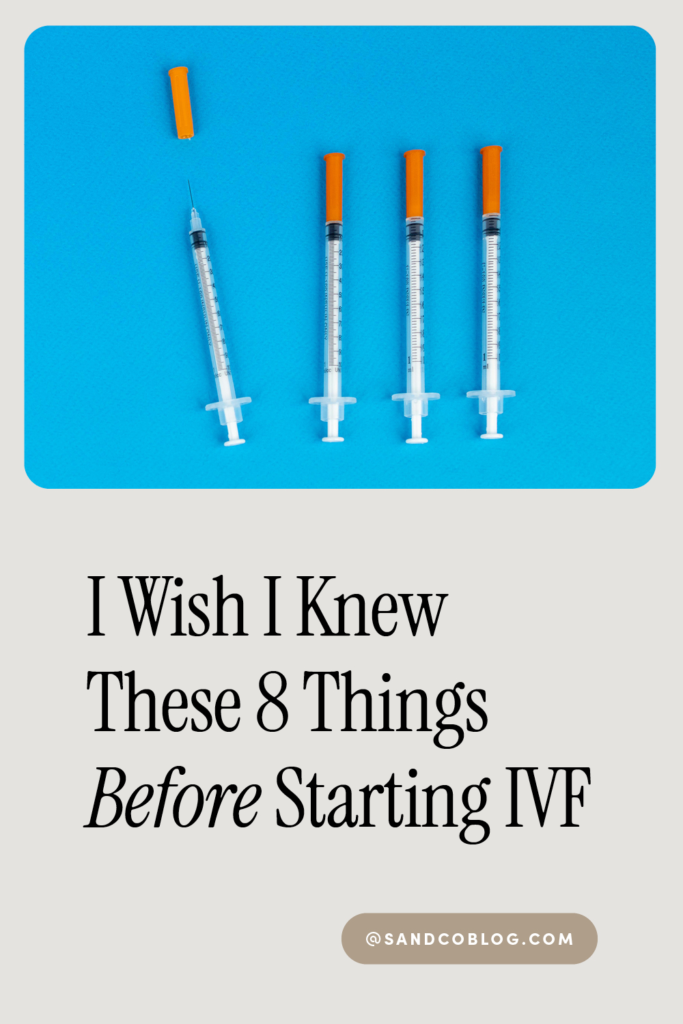
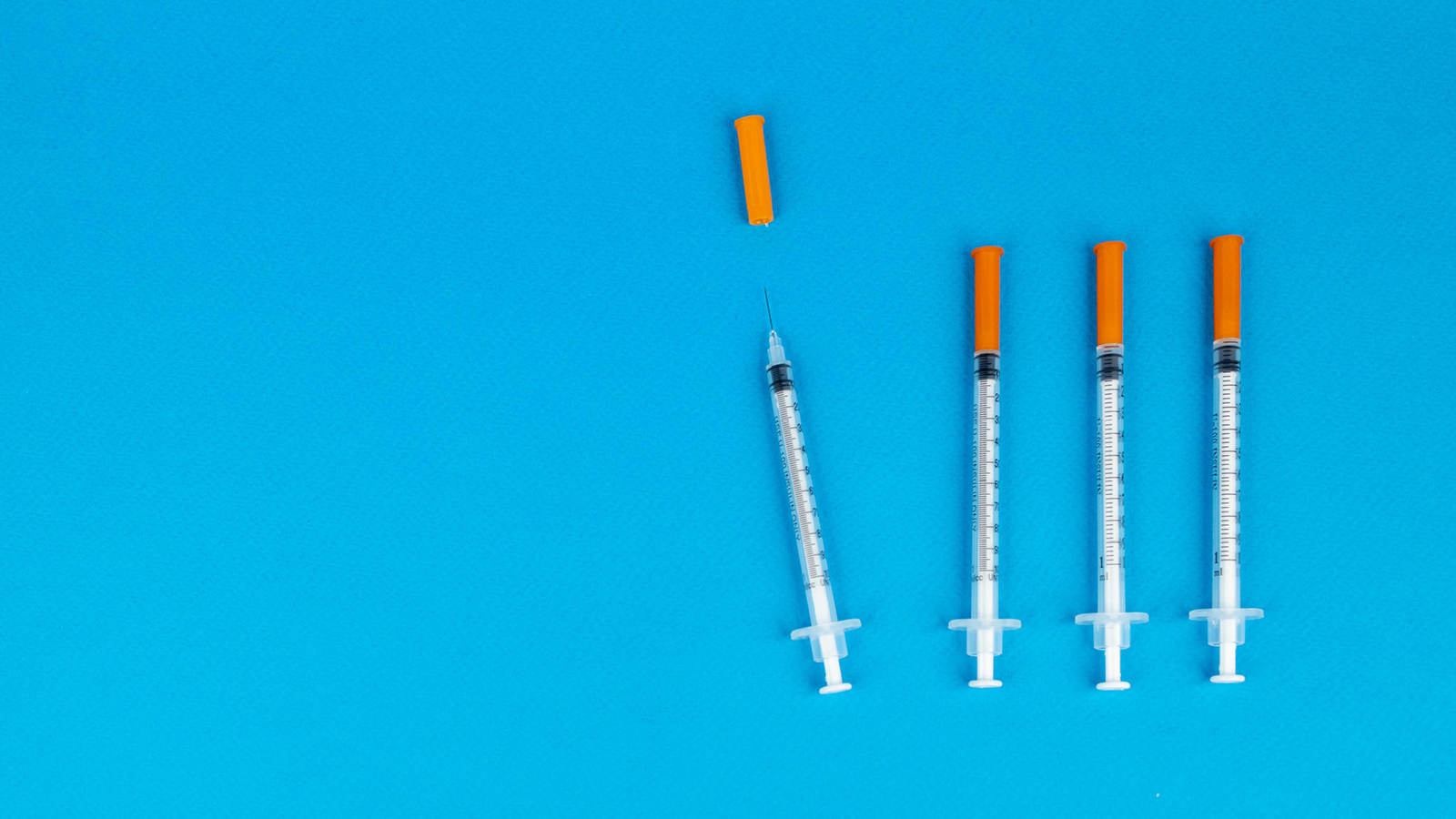
Conversations with your partner will now be consumed with IVF-related terminology and acronyms like FET, LH, DOR, FSH, AMH, PIO, HCG, HSG, LMP, ICSI…the list never ends. I was far too queasy to do them myself, so my husband became an expert at administering injections in my stomach and glutes. I no longer felt uncomfortable with transvaginal ultrasounds after having one every single day for nine days straight. I wondered why Menopur injections burned so bad, and I regretted Googling it when I learned the medication is derived from human urine. My butt muscle cramped for hours after my “trigger shot” the night before my egg retrieval surgery, but I was too excited and anxious and scared for the next step to really care. We filled two huge sharps containers of needles, and proudly displayed them in our kitchen as badges of honor. I learned to fully trust our medical team, and set boundaries with loved ones who offered well-intentioned but unsolicited medical advice. I leaned into my neurotic organizational skills to keep tabs on our very complicated IVF calendar.
3. Even if they aren’t the IVF “patient”, your partner is going through IVF too.
Even though I was the IVF patient, I realized how hard the process was on my husband as well. I was going through physical and mental turmoil, but he had to keep it all together while offering me unwavering emotional support, administering injections, making huge financial decisions, and hoping and then grieving and then hoping again. For my husband the “fix-it guy”, the hardest part wasn’t giving injections—it was watching someone he loved go through something he couldn’t fix. He was so strong for both of us when I couldn’t be, and when I was terrified it might break us, we actually became even closer through this process.
4. Get ready for emotional whiplash about wins and losses that are literally microscopic.
Receiving my DOR diagnosis and hearing a doctor say I may never have biological children was one of the worst moments of my life. But when we finally got to speak with our IVF doctor for the first time, and she said our odds were good, we were filled with hope. And our hearts swelled with even more hope when we got to see our little embryo on the computer screen just before my fresh transfer—only to be devastated by a chemical pregnancy less than two weeks later. We celebrated our embryos that made it to day 5 and 7 in the lab, and grieved the ones that didn’t. Throughout our months of treatment, I felt extreme loneliness, anger at my body, financial stress, and judgment from people who didn’t understand. But I also felt so much unconditional love and support from my husband, family, and friends. This may not resonate with everyone, but I realized how important it is to have faith in both science and God, because I believe IVF is an incredible feat of modern medicine but also a miracle.
5. You may feel love and attachment long before pregnancy.
After my egg retrieval surgery, I was surprised by how attached my husband and I felt to our embryos as soon as we heard from the lab about how they were progressing. Embryo 5BA is now my living, breathing son, and it blows my mind that I literally saw a microscopic photo of his first few cells forming, nine months before he was born. IVF gave me a deeper respect and appreciation for the miracle of life, and I feel very attached to my son’s frozen siblings that we hope to meet someday. Human life is so fragile, yet so resilient at the same time.
6. There’s humor to be found in dark places.
The burden of IVF is far too heavy to carry without occasionally laughing at how completely absurd it can be. My husband and I leaned into jokes about the awkwardness of IVF to make us feel better. He told everyone the story of how during my egg retrieval surgery, he had to go to a tiny private room to make the most stressful “deposit” of his life (so the lab would be able to fertilize my eggs right away). When my uterine lining wasn’t thick enough before my first transfer, we got In-N-Out burgers to “beef” it up. We joked about how the tiniest vial of Omnitrope cost more than my first car. My husband teased me for acting so silly any time they prescribed me Valium for a procedure. We asked each other what Dr. Google, Dr. Reddit and Dr. ChatGPT thought about our chances (and then told each other to stop consulting those doctors). We bought into the IVF internet community myth that eating McDonald’s fries after a transfer helps the baby “stick”.
7. You are braver than you think.
I won’t sugarcoat it—IVF was really, really hard, and there were times I didn’t think I could do it. I didn’t feel brave in the moment, but I kept taking the next step, because it was the only path that might lead us to our baby. When I reflect on what we went through, and what we will have to go through again to try to have another child, I am so proud of the strength we had. I still find myself feeling so envious of couples who can make babies the “fun” way, but I will never, ever doubt what my husband and I are willing to do for our family. Through that bravery, we were also able to find so much joy—getting better fertilization results than we ever expected, watching on the ultrasound as our skilled doctor transferred our embryos to my uterus, and getting a tearful congratulatory hug from our favorite receptionist when we finally “graduated” from the clinic. It may not feel like it now, but if you’re currently pursuing IVF, you are in one of the bravest seasons of your life.
8. Grief and hope can exist at the same time.
If you’re about to begin IVF, I can’t promise how your journey will unfold. I don’t know if your first transfer will work, or that every embryo will survive, or that every phone call will bring good news. But I can promise this: You will learn more about yourself, your partner, and your capacity to hope (and love) more than you ever imagined possible. Regardless of where your journey leads, please remember that you deserve compassion—for your body and your mind.
Take it one appointment, one injection, and one phone call at a time. IVF has a remarkable way of teaching you that grief and hope can exist in the very same moment.